 PuzzleZa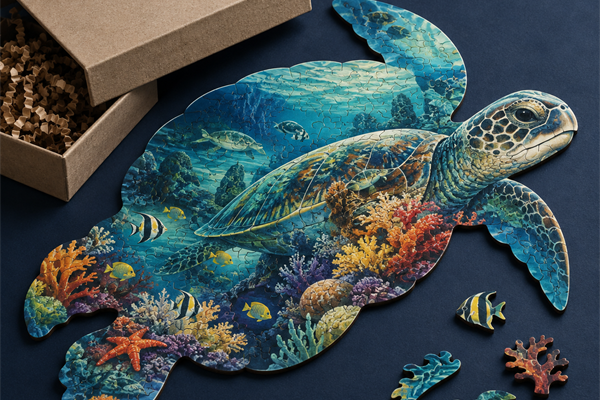
A custom-shaped jigsaw puzzle can turn a familiar product into a strong brand or gift object, but it needs more design coordination than a standard rectangle. The outer silhouette, internal piece pattern, image composition, bag and box all influence whether the finished product feels intentional. The best shaped-puzzle projects test the physical format early rather than treating the silhouette as a late artwork embellishment.
Start with a decision-ready project brief
Define the role of the shape in the product story. Is it a recognizable character, a logo-inspired outline, a map, an object or an abstract art form? The more the silhouette carries the concept, the more carefully the artwork must support its edges and focal areas. Share reference shapes, finished-size expectations, preferred piece count and retail channel with the manufacturer so die-cut and packaging considerations can be assessed together.
A practical brief also makes comparisons fair. Give potential suppliers the same core information and ask them to identify assumptions rather than silently filling gaps. This keeps commercial choices visible: which part of the specification creates customer value, which detail is driven by the sales channel, and which item needs a decision from your team. It also gives the factory a usable starting point for installation preparation, prepress review and packing planning.
What a buyer should define before requesting a quote
- Target customer, sales channel, destination market and launch milestone.
- Quantity scenario, finished size, proposed piece count and product application.
- Artwork status, ownership or licensing position, and every planned printed component.
- Packaging direction, inserts, barcode or label needs, and any retailer routing requirements.
- Sample approvers, required factory testing, shipment inspection and freight handover owner.
Choose the product around the customer experience
Artwork preparation is especially important around the perimeter. Avoid placing essential text or faces too close to irregular edges, and consider how narrow points or deep curves will look when split into pieces. Ask for the factory's exact template and safe-area guidance. The production team can advise whether a visual idea needs simplification for cutting and packing, but the brand should retain ownership of the customer experience it wants to create.
When comparing options, ask what changes for the person who receives the product. A specification should have a visible reason: perhaps it protects detailed art, makes an educational activity clearer, supports a gift-worthy unboxing sequence or fits a retailer's shelf. This discipline prevents a common sourcing error in which individual choices look attractive on their own but do not form a coherent customer experience when packed together.
It is also useful to make trade-offs explicit. A more complex format may affect development work, component control or logistics. A simplified pack may improve fulfilment but leave less room for story content. Neither result is inherently right or wrong. The value of a B2B manufacturer conversation is that product, creative and operational implications can be reviewed together while the option is still affordable to change.
Use the sample as evidence, not as a formality
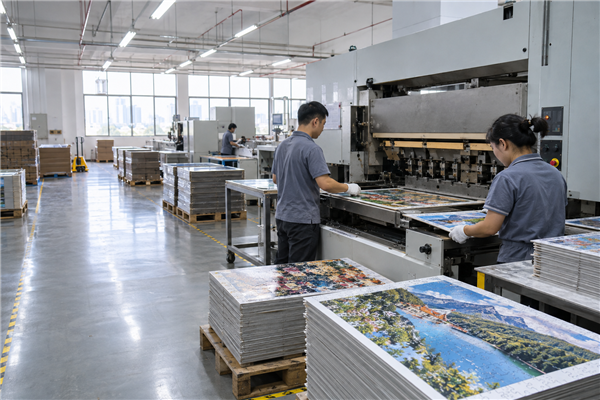
A shaped sample is not optional decoration; it is the decision point. Assemble the outer contour, handle varied piece shapes and check whether the image works across the physical format. During factory testing, the team should review die-cut registration, clean separation, the presence of any accessories and fit within the chosen bag and box. Use the approved sample as the inspection reference for both shape and printed presentation.
Bring the relevant teams into the review in the right order. Creative reviewers can confirm image, copy and visual hierarchy. Product and purchasing teams can check material, components and the commercial specification. Operations teams can review carton information, receiving limits and delivery readiness. Consolidate their feedback into one documented response so the factory receives a clear decision rather than conflicting comments from separate email threads.
The approved sample should answer a practical question for everyone involved: is this the product we are prepared to reproduce, pack, inspect and deliver?
Version control matters at this point. Reference the exact artwork, packaging and component versions in the sample-approval record. If a revision is needed, identify what changed, why it changed and whether another physical sample is necessary. This is not administrative overhead; it is the evidence quality and production teams use later when a project contains several files, SKUs or market versions.
Send Your Requirements
Share the product idea, quantity, artwork status and destination. We will help turn them into a practical custom puzzle brief.
Plan quality control, packing and delivery together
Irregular products can require different packing attention than a standard rectangle. Confirm how the completed pieces are bagged, whether a poster helps customer assembly, and how the shape is communicated on the box. Check the outer carton plan and protection around the finished retail pack. These details matter when the puzzle is sold as a gift or mailed to customers, where the first impression begins before assembly.
For the factory, an inspection plan is most useful when it focuses on the details that define your product: correct artwork and pack version, print appearance, die-cut or component checks where relevant, bagging, inserts and carton marks. For the buyer, that same plan makes shipment inspection easier to interpret because the inspector can compare selected finished units with a known approval reference. It also gives freight teams a more reliable handover point.
Keep a final release file with the approved specification, production contact, inspection observations, carton information and agreed shipment documents. This supports a smoother first delivery and becomes valuable information for replenishment. The goal is not to eliminate every uncertainty in a custom product. It is to resolve the important ones at the stage where a correction is still manageable.
Apply the guide to your next puzzle project
Custom shapes are well suited to museum collections, brand campaigns, licensed concepts and seasonal gifts. Use them when the silhouette contributes to recognition, not merely because an unusual outline seems novel in a mock-up.
Use this article as a working conversation tool. Share it with the people who own artwork, purchasing, product compliance and freight, then collect the unanswered questions before a quote is requested. A precise enquiry helps a factory respond with relevant options and helps your internal team distinguish confirmed requirements from preferences that still need a decision.
For material and sourcing context, see AIGA's overview of accessible design. For project-specific manufacturing support, explore our custom puzzle formats, Shenzhen factory capability and production process.
FAQ
Can any outline become a shaped puzzle?
Many concepts can be adapted, but the factory should review narrow points, deep curves, finished size and piece count before confirming a production-ready approach.
Do shaped puzzles need different artwork files?
They need the manufacturer's exact outline and safe-area template so important image elements are not placed in vulnerable edge areas.
Why is a physical sample important?
It lets the buyer judge the real silhouette, cut quality, handling and packaging fit before a larger production run.
Conclusion
A successful custom-shaped jigsaw puzzle begins with a defined customer outcome and ends with an approved, inspection-ready pack. Align the brief, sample, quality checks and delivery plan early; it gives your team a better basis for an accurate quote and a more dependable first shipment.
Get a Quote