 PuzzleZa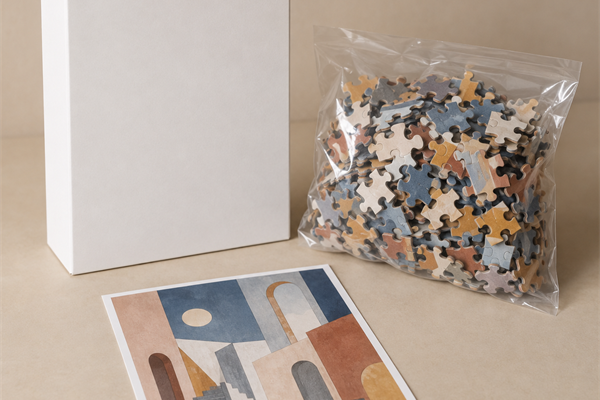
A pre-production sample is where a custom puzzle changes from an idea into a product decision. It is the only stage at which a buyer can hold the intended format, study the image, open the packaging and resolve avoidable questions before a larger run is released. Treating the sample as a formal approval step protects both the creative outcome and the production schedule.
Start with a decision-ready project brief
Before the sample arrives, establish the review criteria. Gather the approved artwork file, packaging artwork, component list, finished-size drawing and any retailer requirements in one review pack. Decide who can approve color, text, product feel and logistics details. This avoids a common delay: one department signs off the image while another discovers a missing barcode, incorrect insert or unsuitable carton later.
A practical brief also makes comparisons fair. Give potential suppliers the same core information and ask them to identify assumptions rather than silently filling gaps. This keeps commercial choices visible: which part of the specification creates customer value, which detail is driven by the sales channel, and which item needs a decision from your team. It also gives the factory a usable starting point for installation preparation, prepress review and packing planning.
What a buyer should define before requesting a quote
- Target customer, sales channel, destination market and launch milestone.
- Quantity scenario, finished size, proposed piece count and product application.
- Artwork status, ownership or licensing position, and every planned printed component.
- Packaging direction, inserts, barcode or label needs, and any retailer routing requirements.
- Sample approvers, required factory testing, shipment inspection and freight handover owner.
Choose the product around the customer experience
Review the unboxing sequence first. Is the box structurally appropriate for the channel? Are printed claims, languages and product identifiers correct? Then assemble a meaningful area of the puzzle, including image regions with fine detail and areas that cross multiple pieces. Look for print clarity, expected finish, clean cut edges and a reasonable piece-handling experience. Compare against the approved design, not a phone-screen memory of it.
When comparing options, ask what changes for the person who receives the product. A specification should have a visible reason: perhaps it protects detailed art, makes an educational activity clearer, supports a gift-worthy unboxing sequence or fits a retailer's shelf. This discipline prevents a common sourcing error in which individual choices look attractive on their own but do not form a coherent customer experience when packed together.
It is also useful to make trade-offs explicit. A more complex format may affect development work, component control or logistics. A simplified pack may improve fulfilment but leave less room for story content. Neither result is inherently right or wrong. The value of a B2B manufacturer conversation is that product, creative and operational implications can be reviewed together while the option is still affordable to change.
Use the sample as evidence, not as a formality
Document observations in a single sample-approval record. Separate must-correct issues from optional improvements, and identify the exact artwork version or physical component affected. If a color is sensitive, agree the reference and viewing condition rather than using imprecise descriptions such as 'brighter.' Once revisions are completed, confirm whether a second physical sample, a digital proof or a controlled production check is needed before release.
Bring the relevant teams into the review in the right order. Creative reviewers can confirm image, copy and visual hierarchy. Product and purchasing teams can check material, components and the commercial specification. Operations teams can review carton information, receiving limits and delivery readiness. Consolidate their feedback into one documented response so the factory receives a clear decision rather than conflicting comments from separate email threads.
The approved sample should answer a practical question for everyone involved: is this the product we are prepared to reproduce, pack, inspect and deliver?
Version control matters at this point. Reference the exact artwork, packaging and component versions in the sample-approval record. If a revision is needed, identify what changed, why it changed and whether another physical sample is necessary. This is not administrative overhead; it is the evidence quality and production teams use later when a project contains several files, SKUs or market versions.
Send Your Requirements
Share the product idea, quantity, artwork status and destination. We will help turn them into a practical custom puzzle brief.
Plan quality control, packing and delivery together
The completed approval should flow into production preparation. It should identify the final file versions, box and insert versions, component quantities, packing configuration and any special inspection points. This record is useful during factory testing and shipment inspection because it answers a simple question: what, exactly, was approved? It also makes a re-order more efficient because the team starts with an established reference.
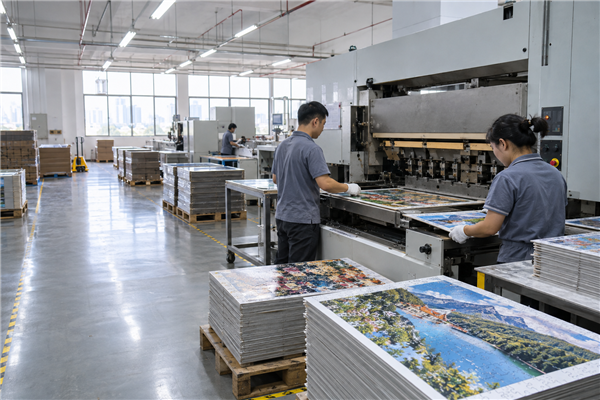
For the factory, an inspection plan is most useful when it focuses on the details that define your product: correct artwork and pack version, print appearance, die-cut or component checks where relevant, bagging, inserts and carton marks. For the buyer, that same plan makes shipment inspection easier to interpret because the inspector can compare selected finished units with a known approval reference. It also gives freight teams a more reliable handover point.
Keep a final release file with the approved specification, production contact, inspection observations, carton information and agreed shipment documents. This supports a smoother first delivery and becomes valuable information for replenishment. The goal is not to eliminate every uncertainty in a custom product. It is to resolve the important ones at the stage where a correction is still manageable.
Apply the guide to your next puzzle project
This approach is especially valuable for licensed art, educational products and branded promotions where image details or product claims matter. It is equally practical for a first private-label puzzle order, where the sample establishes a benchmark the buyer has not yet seen in market.
Use this article as a working conversation tool. Share it with the people who own artwork, purchasing, product compliance and freight, then collect the unanswered questions before a quote is requested. A precise enquiry helps a factory respond with relevant options and helps your internal team distinguish confirmed requirements from preferences that still need a decision.
For material and sourcing context, see GS1 guidance on barcodes and product identification. For project-specific manufacturing support, explore our custom puzzle formats, Shenzhen factory capability and production process.
FAQ
Who should approve a custom puzzle sample?
Include the person responsible for artwork, the product owner, and operations or retail teams if packaging, labels or routing requirements affect the launch.
What if the sample needs changes?
Record the issue against a specific component or file version, state the desired correction, and agree whether it needs a revised physical sample or another controlled proof.
Can a sample replace shipment inspection?
No. The sample sets the approval reference; shipment inspection checks whether selected production units and cartons reflect that reference.
Conclusion
A successful pre-production puzzle sample begins with a defined customer outcome and ends with an approved, inspection-ready pack. Align the brief, sample, quality checks and delivery plan early; it gives your team a better basis for an accurate quote and a more dependable first shipment.
Get a Quote